
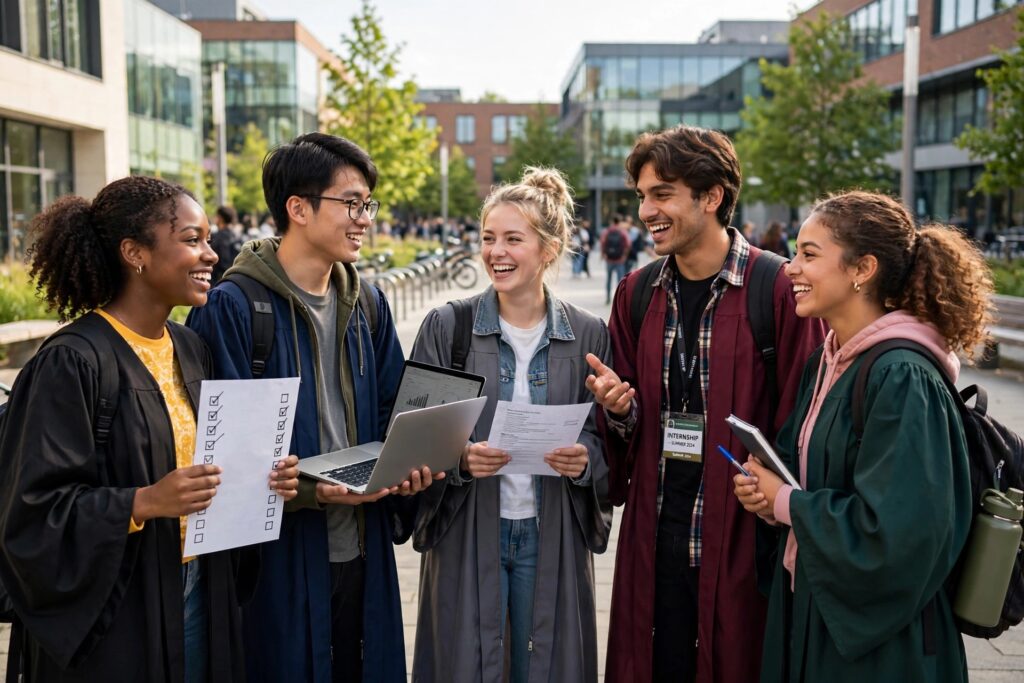
Graduation is an exciting milestone, but it also marks the transition from academic life to the next stage of your personal and professional journey. Many students focus heavily on earning good grades while overlooking other important activities that can improve their future opportunities.
Preparing before graduation can make it easier to secure scholarships, internships, jobs, fellowships, and other career opportunities. The habits, skills, and experiences you develop as a student can significantly influence your future success.
This guide highlights 10 important things every student should do before graduation.
Why Preparation Before Graduation Matters
Graduation should not be the beginning of your preparation for the future. It should be the result of years of intentional growth, learning, and experience building.
Students who prepare early often find it easier to transition into employment, postgraduate education, entrepreneurship, or professional development opportunities.
• Improve employability
• Build confidence
• Develop professional skills
• Expand networks
• Increase opportunity readiness
• Strengthen career prospects
1. Create a Professional CV or Resume
Before graduation, every student should have a professional CV or resume ready.
Include:
• Educational background
• Leadership experience
• Volunteer activities
• Certifications
• Skills
• Awards and achievements
Your CV should be updated regularly as you gain new experiences.
2. Build a LinkedIn Profile
LinkedIn is one of the most important networking platforms for students and professionals.
A strong profile can help you:
• Connect with professionals
• Discover opportunities
• Showcase achievements
• Build your online presence
• Learn from industry experts
3. Gain Practical Experience
Graduates with practical experience often have an advantage in the job market.
Examples include:
• Internships
• Volunteering
• Freelancing
• Research projects
• Student leadership
• Community service
Employers value evidence that you can apply knowledge in real-world settings.
4. Learn In-Demand Skills
Continuous learning is essential in today’s competitive environment.
Examples of valuable skills include:
• Communication
• Leadership
• Critical thinking
• Project management
• Public speaking
• Digital literacy
• Data analysis
• Time management
5. Organize Your Important Documents
Many opportunities require specific documents during the application process.
Keep organized copies of:
• Academic transcript
• Student ID
• Certificates
• Passport photograph
• Identification documents
• CV or Resume
Having these documents ready will make future applications easier.
6. Build Your Professional Network
Networking can create valuable opportunities throughout your career.
Consider connecting with:
• Lecturers
• Mentors
• Alumni
• Industry professionals
• Professional associations
• Conference participants
7. Explore Career Options
Take time to research careers related to your field of study.
Questions to consider:
• What industries interest me?
• What skills do employers require?
• What opportunities exist in my field?
• Do I want to pursue postgraduate studies?
• Am I interested in entrepreneurship?
8. Develop a Personal Brand
Your reputation and professional image can influence future opportunities.
Ways to build your personal brand include:
• Maintaining professionalism online
• Sharing valuable insights
• Participating in projects
• Building a portfolio
• Demonstrating leadership
9. Apply for Opportunities Early
Do not wait until after graduation to begin searching for opportunities.
Start exploring:
• Scholarships
• Fellowships
• Jobs
• Internships
• Training programs
• Competitions
Early applications can increase your chances of success.
10. Create a Career Development Plan
Having a plan helps you stay focused after graduation.
Your plan may include:
• Short-term goals
• Long-term goals
• Skills to develop
• Networking objectives
• Career targets
• Educational aspirations
Practical Tips for Students
• Start preparing early
• Be proactive
• Develop multiple skills
• Stay organized
• Seek mentorship
• Remain curious
• Continue learning
Common Mistakes Students Make Before Graduation
Many students make avoidable mistakes that limit their opportunities after graduation.
• Waiting until graduation to prepare
• Ignoring internships
• Neglecting networking
• Failing to develop skills
• Having an outdated CV
• Overlooking volunteer experience
• Not researching career options
Avoiding these mistakes can help create a smoother transition into professional life.
Frequently Asked Questions (FAQs)
When should students start preparing for life after graduation?
Ideally, preparation should begin during the first years of study. However, it is never too late to start developing skills, gaining experience, and planning your future.
Do grades alone guarantee career success?
Good grades are important, but employers and selection committees often consider skills, leadership experience, volunteer work, internships, and professional achievements as well.
Should I create a LinkedIn profile while still in school?
Yes. Building a professional online presence early can help you establish valuable connections and discover new opportunities.
What is the most important thing to do before graduation?
There is no single most important activity. A combination of skill development, networking, experience building, and career planning provides the strongest foundation for future success.
Student Success Checklist
CHECKLIST
✅ Professional CV Created
✅ LinkedIn Profile Updated
✅ Practical Experience Gained
✅ Important Documents Organized
✅ Professional Network Growing
✅ In-Demand Skills Developing
✅ Career Options Explored
✅ Personal Brand Established
✅ Opportunities Researched
✅ Career Development Plan Created
Downloadable Resource
📥 Download the Student Success Checklist PDF to help you prepare for life after graduation.
(Downloadable resource coming soon.)
Final Thoughts
Graduation is more than receiving a certificate—it is the beginning of your next chapter. Students who invest in skills, experience, networking, and planning before graduation are often better positioned for success in their academic and professional journeys.
Start preparing today. Small actions taken now can open doors to valuable opportunities in the future.
Remember: the best time to prepare for graduation is before graduation arrives.